
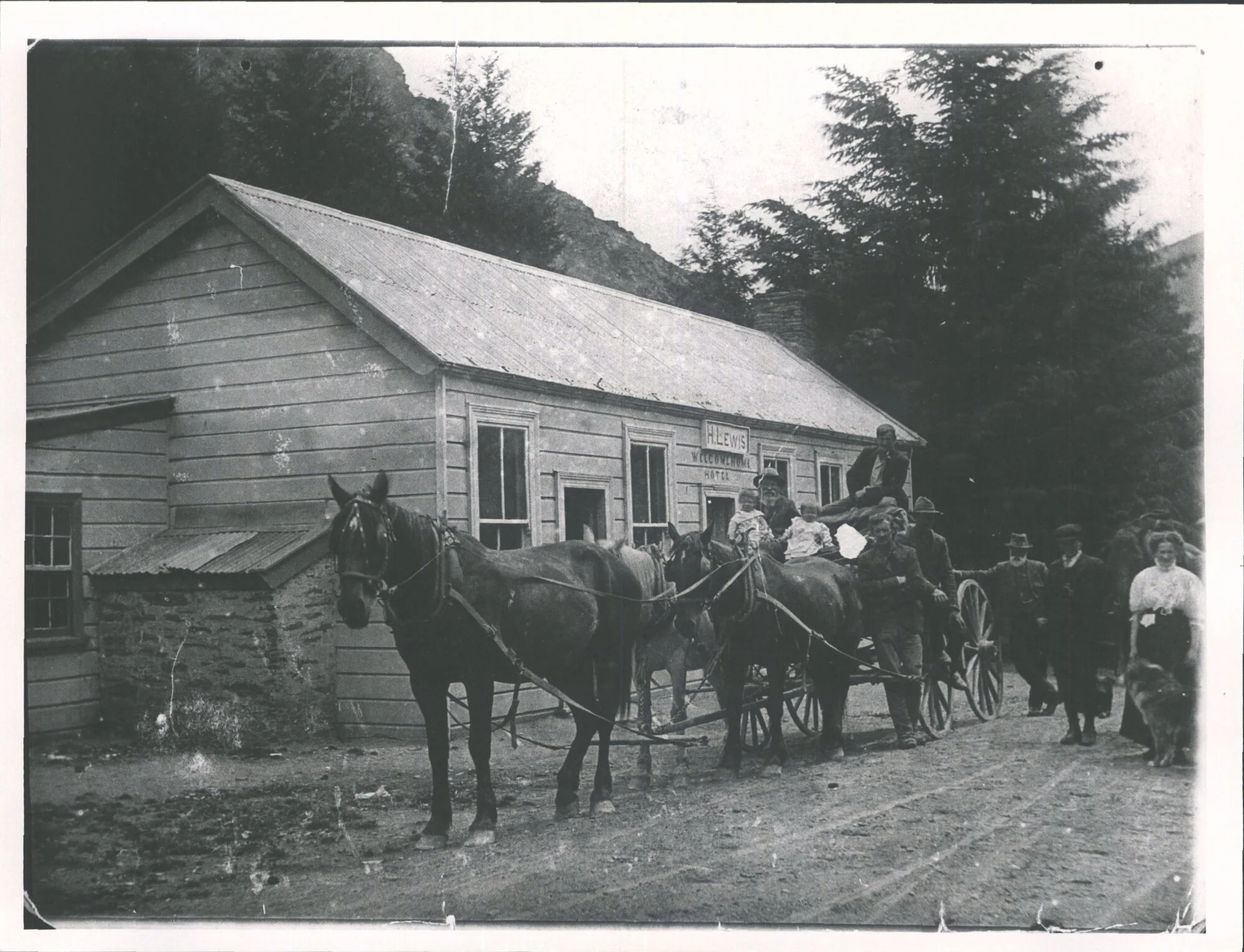
New Zealand’s Golden History
A timeline of the nation's historic events.
Skippers Canyon may be the birthplace of The Goldrush Tour, but it was not the birthplace of gold in New Zealand. Reports of gold in the country date back to 1833, when Captain Wiseman is said to have encountered gold bearing material. The first recorded gold discovery, however, came in 1852, when Charles Ring found gold at Driving Creek, near Coromandel.
Explore the timeline below to discover the key events that shaped New Zealand’s gold mining history.
1842 Coromandel Harbour: Early geological surveyors note indications of gold bearing quartz veins, but the findings are kept quiet to prevent public unrest
1833 Queens Charlotte Sound: Captain Wiseman reports minor traces of gold in mineral specimens, marking the earliest recorded European sighting, though no mining took place
1852 Coromandel: Charles Ring officially discovers the first authenticated alluvial gold in New Zealand. A brief rush of 3,000 miners ensues, but the complex geology makes extraction too difficult for lone prospectors, and the field is abandoned within a year
1856 Collingwood & Takaka: The country's first fully operational goldfield opens in Golden Bay, triggering a localized but successful rush that injects much needed capital into the Nelson province
1858 Lindis River: Gold is discovered in the remote Lindis Pass region of Otago. It draws a small wave of prospectors but is quickly abandoned due to the brutal winter climate and isolated geography
1861 Gabriels Gully: Gabriel Read famously finds gold "shining like stars on a brilliant night" near Lawrence. This ignites the historic Otago gold rush, causing Otago's population to explode as tens of thousands of prospectors arrive from Australia, California, and Great Britain
1862 Dunstan & Arrow River: The Otago frontier expands wildly. Horatio Hartley and Christopher Reilly overturn massive deposits along the Clutha River, while Jack Tewa discovers gold in the Arrow River, anchoring mining hubs in Arrowtown and Queenstown
1862 Shotover River: Armed with a butchers knife and a milk pannikin, two sheep shearers, Thomas Arthur and Harry Redfern discover gold in the Shotover River
1864 Wakamarina River: A swift, intense stampede of 6,000 miners descends on Marlborough, briefly establishing a chaotic settlement known as Canvastown
1864–1865 Greenstone Creek & Hokitika: Albert Hunt's discovery at Greenstone Creek sparks the frantic West Coast gold rush. Hokitika quickly transforms into a roaring, high density port town packed with hundreds of hotels and saloons
1866 Charleston & Brighton: The West Coast rush shifts north to the beaches. Miners discover gold embedded in black iron sands, giving rise to specialized beach combing, sea sluicing, and sand washing techniques
1867 Thames: William Hunt strikes a massive "bonanza" quartz reef near Thames. This fundamentally changes New Zealand mining, shifting the industry from individual prospectors to wealthy corporate syndicates
1870s Reefton: Large scale quartz mining cements Reefton as a major industrial hub. The booming town becomes so technologically advanced that it is the first place in the Southern Hemisphere to receive public electricity, powered by hydro generation built for the mines
1889 Waihi: Industrial development begins on the massive Martha Reef in Waihi. Utilizing revolutionary cyanide extraction technology to separate gold from quartz, it grows into one of the most prolific, long running gold and silver mines in global history
1890s–1900s The Dredging Craze: Industrial gold dredges overwhelm the Clutha and Shotover rivers. By 1900, over 100 giant dredges are tearing up the Otago riverbeds, cementing New Zealand as a pioneer in global dredging technology
1905 Waiuta: On King Edward VII's birthday, a small prospecting group finds the exceptionally pure "Birthday Reef" deep in the West Coast native forest. This sparks the birth of Waiuta, which grows into a bustling town of 600 people supported by the incredibly deep Blackwater Mine shaft
1912 The Waihi Miners Strike: A bitter, six month union strike paralyses the Waihi mines. It escalates into a major piece of New Zealand labor history, culminating in violent clashes, police intervention, and the death of striker Fred Evans. It heavily shapes the trajectory of the country's early trade unions
1915–1945 World War Shadows & Fixed Prices: Gold production plummets sharply. Global conflicts drain the workforce, and because the price of gold is legally pegged to a fixed rate under the international gold standard, skyrocketing extraction costs make mining completely uneconomical
1951 The Waiuta Collapse: On 9 July, the main timber lined Blackwater Shaft at Waiuta collapses and floods. Because the mine is no longer viable to repair, operations halt immediately. Within months, the thriving community packs up, leaving behind the West Coast's most iconic ghost town
1952 Closure of the Original Martha Mine: The historic underground Martha Mine at Waihi closes its gates after 70 years of continuous operation. Over its original run, it yielded a staggering 174 tonnes of gold and 1,193 tonnes of silver. By 1975, New Zealand's total annual gold output drops to an all time low of under 2,000 ounces
1980 The Gold Price Float: The international deregulation and floating price of gold causes values to rocket to over NZ$1,050 an ounce. This triggers modern mining companies to dust off old exploration maps
1988 Martha Open, Cast Reopening: The Martha Mine at Waihi undergoes a spectacular rebirth as a massive open cast pit mine. Huge heavy machinery takes the place of subterranean miners, pouring its first new gold bar on 15 May
1990 Macraes Mine Opens: Corporate hard-rock mining officially returns to Otago with the launch of the Macraes Flat open pit mine. It goes on to surpass all historical records to become the largest active gold producing mine in modern New Zealand history passing its 5 millionth ounce of gold poured in 2019
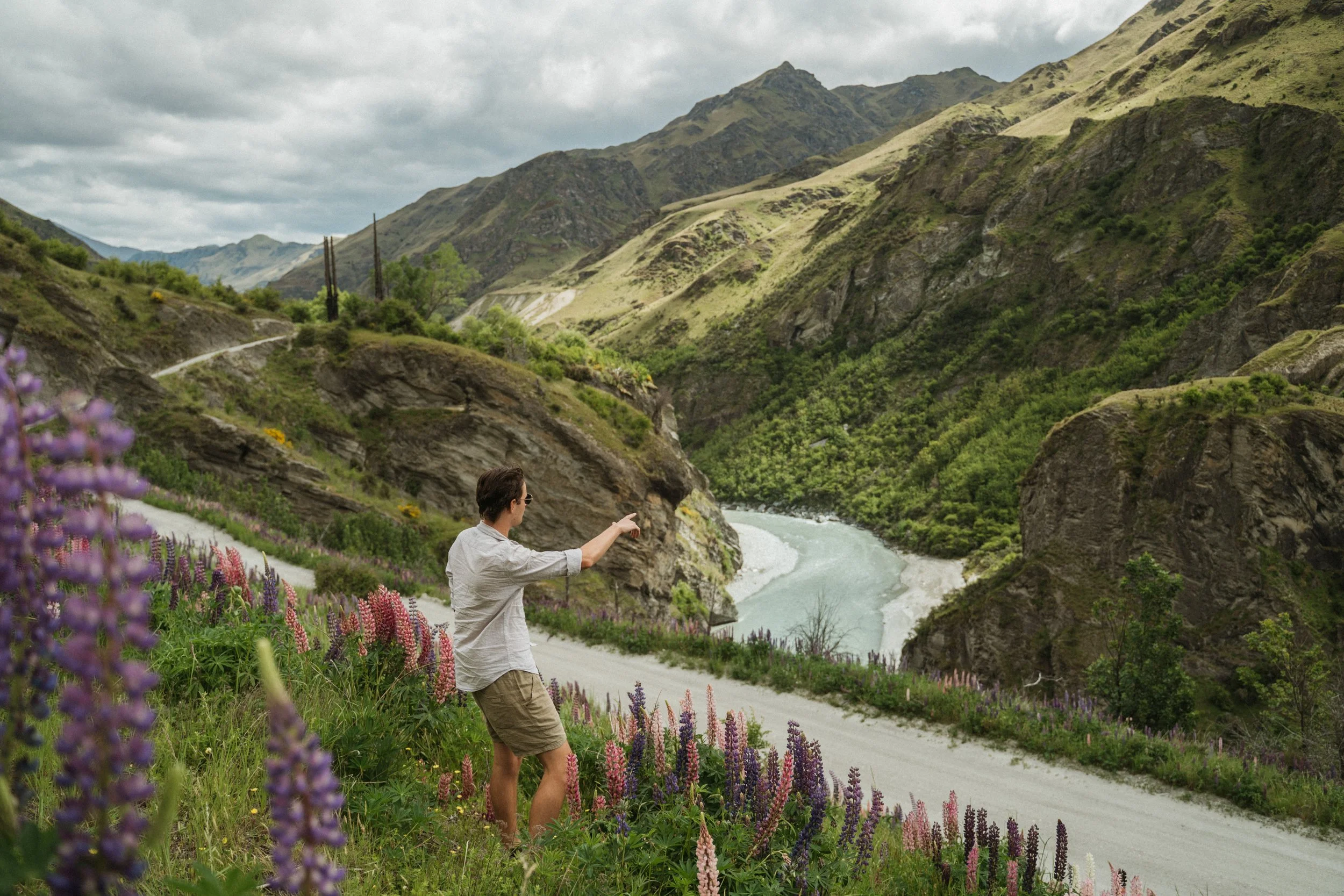
Make Memories along one of NZ’s Most Spectacular Roads.
Book Queenstown’s MOST DETAILED HISTORICAL TOUR TODAY to ensure your holiday is unforgettable. Whether you’re drawn by the scenery, the gold rush history or the adventure of the road itself, this is a chance to experience Skippers Canyon with its stories brought to life around you!